

Kenya Launches National Electric Mobility Policy to Drive a Cleaner, Efficient and Sustainable Transport System
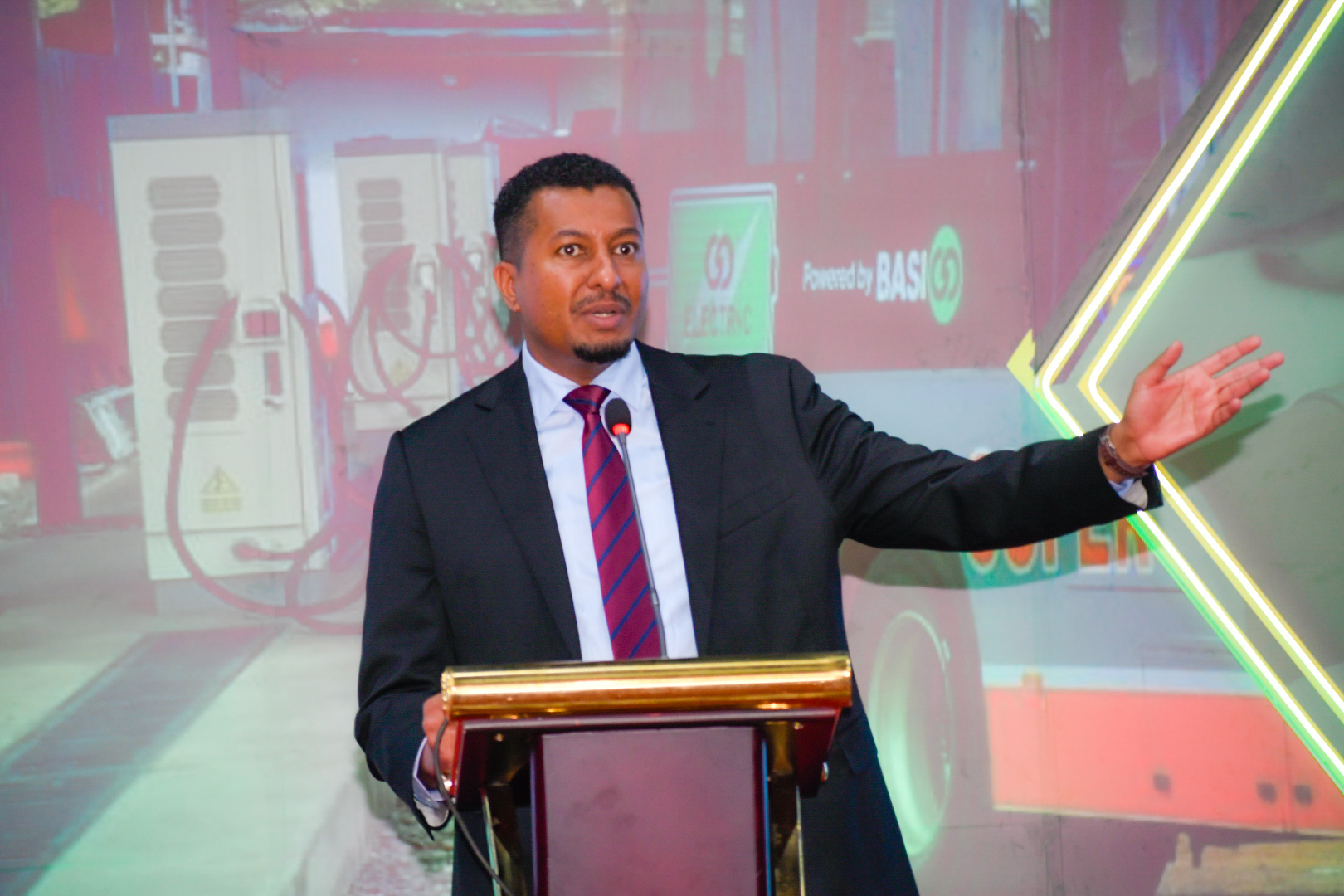
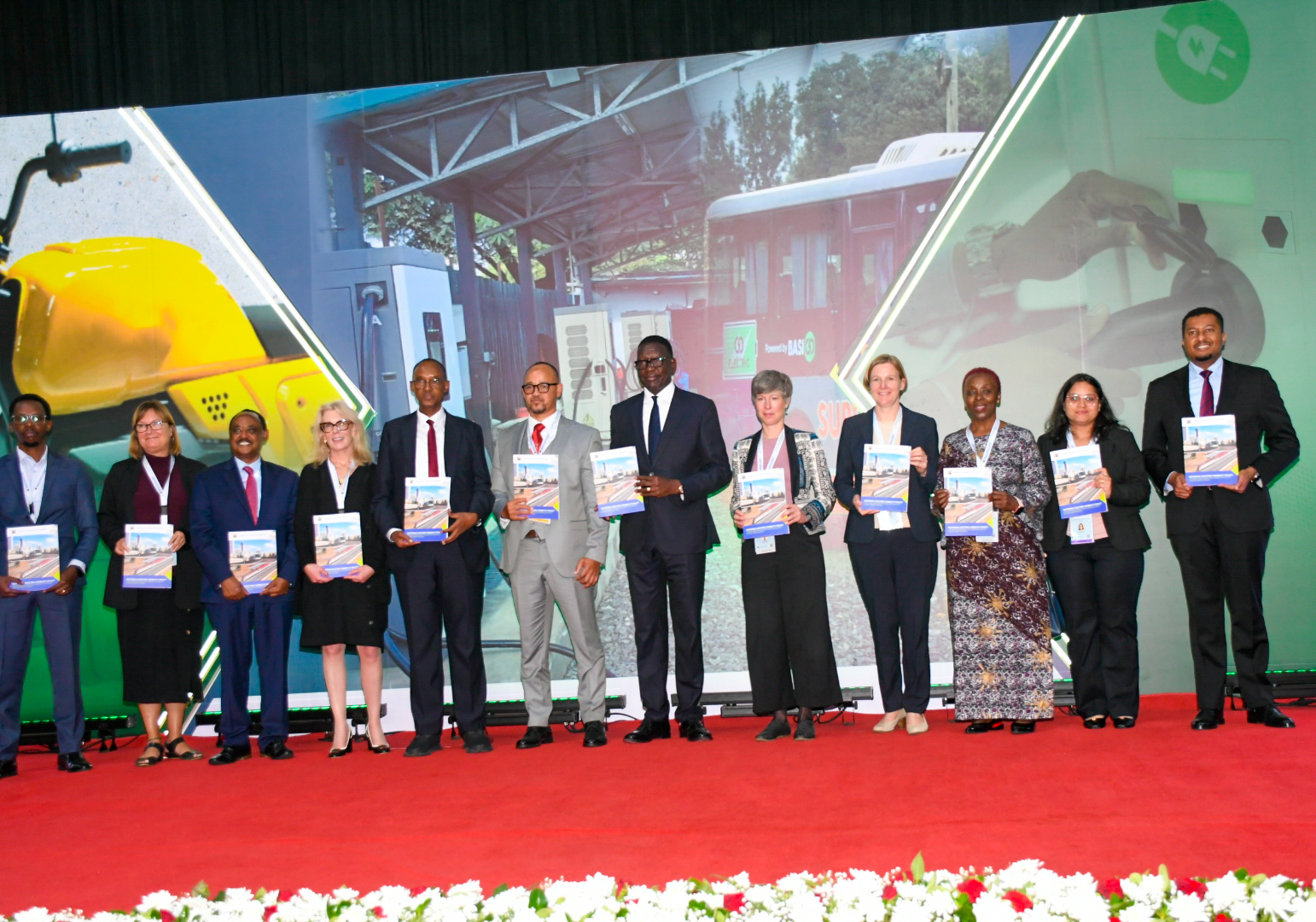
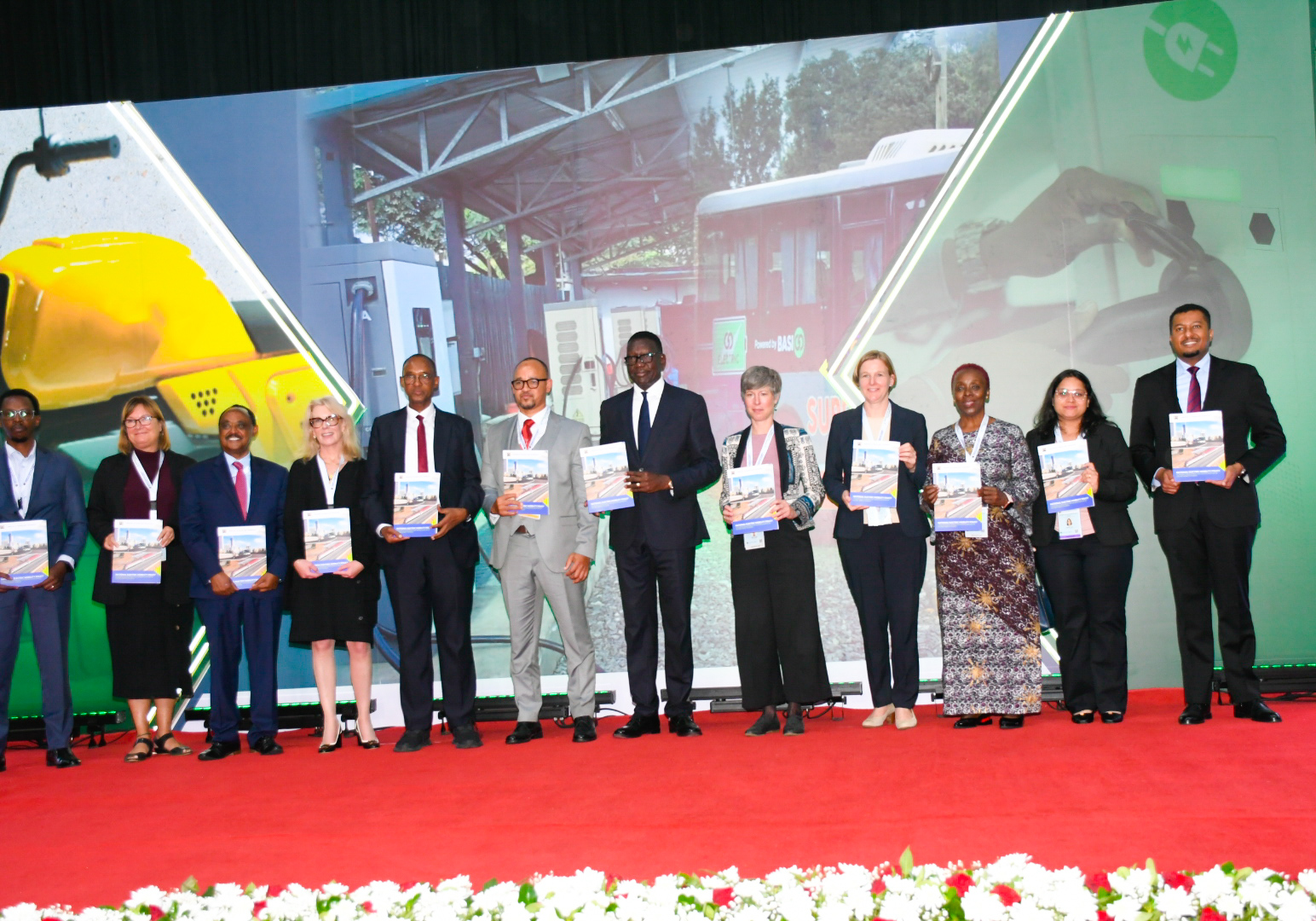
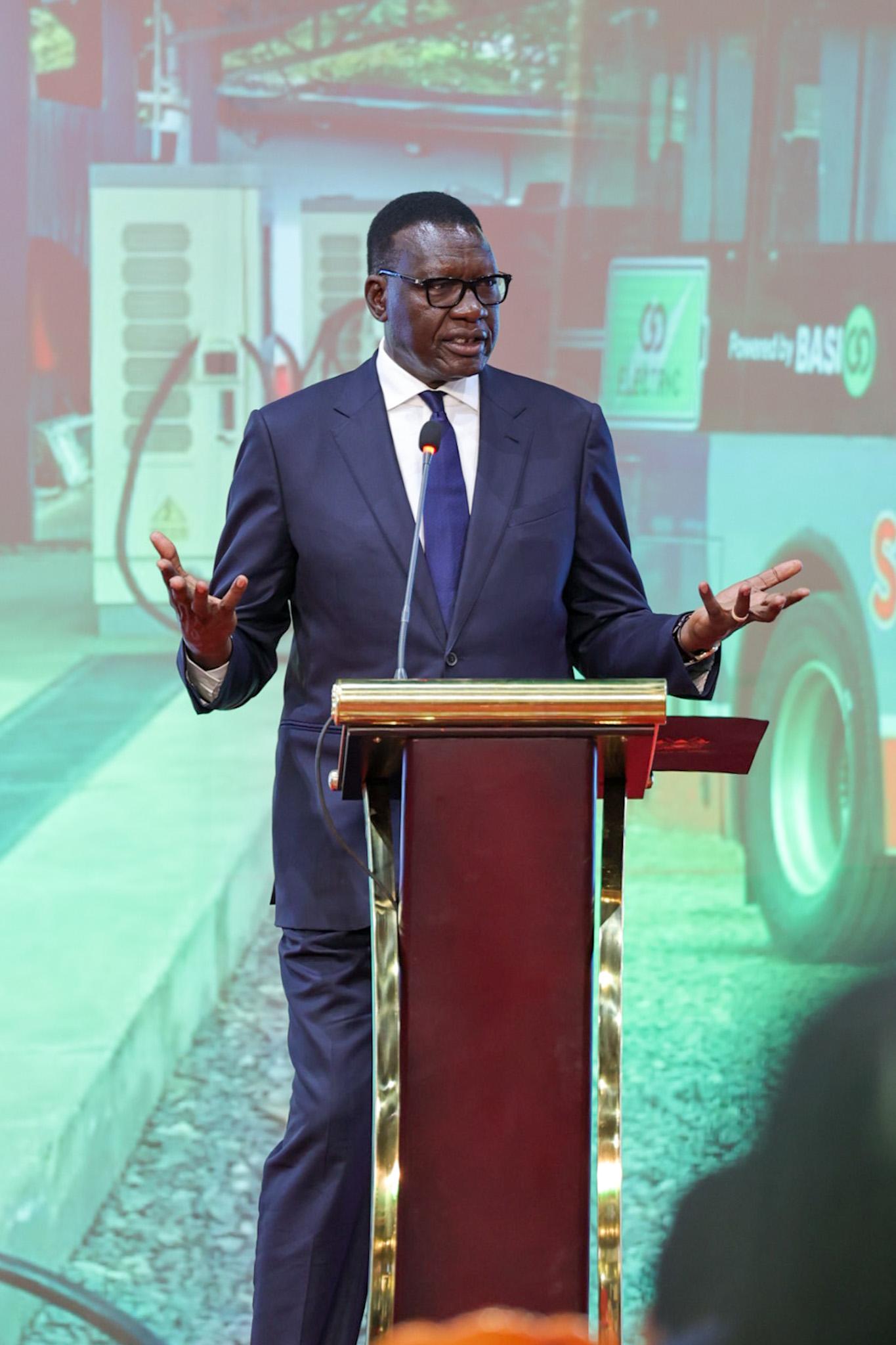
The Cabinet Secretary for Roads and Transport, Mr. Davis Chirchir, EGH, today officially launched the National Electric Mobility (e-Mobility) Policy, marking a major milestone in Kenya’s transition towards a cleaner, more efficient and low-carbon Transport System.
Speaking at the launch ceremony held at the Kenyatta International Convention Centre (KICC), CS Chirchir said the adoption of electric vehicles (EVs) would significantly reduce Kenya’s annual petroleum import bill - currently estimated at US$5 billion, which places considerable strain on the country’s foreign exchange reserves, undermines energy security and exposes the economy to global fuel price volatility.
Citing data from the Kenya National Bureau of Statistics (KNBS), the Cabinet Secretary said that petroleum products were the largest single import category in 2023, with fuel imports rising sharply to KShs. 628.4 billion, up from KShs. 348.3 billion in 2021. “This substantial fuel import bill reflects Kenya’s heavy reliance on imported petroleum for transport, industry, power generation and aviation - making fuel one of the most significant components of our total import expenditure,” said CS Chirchir.
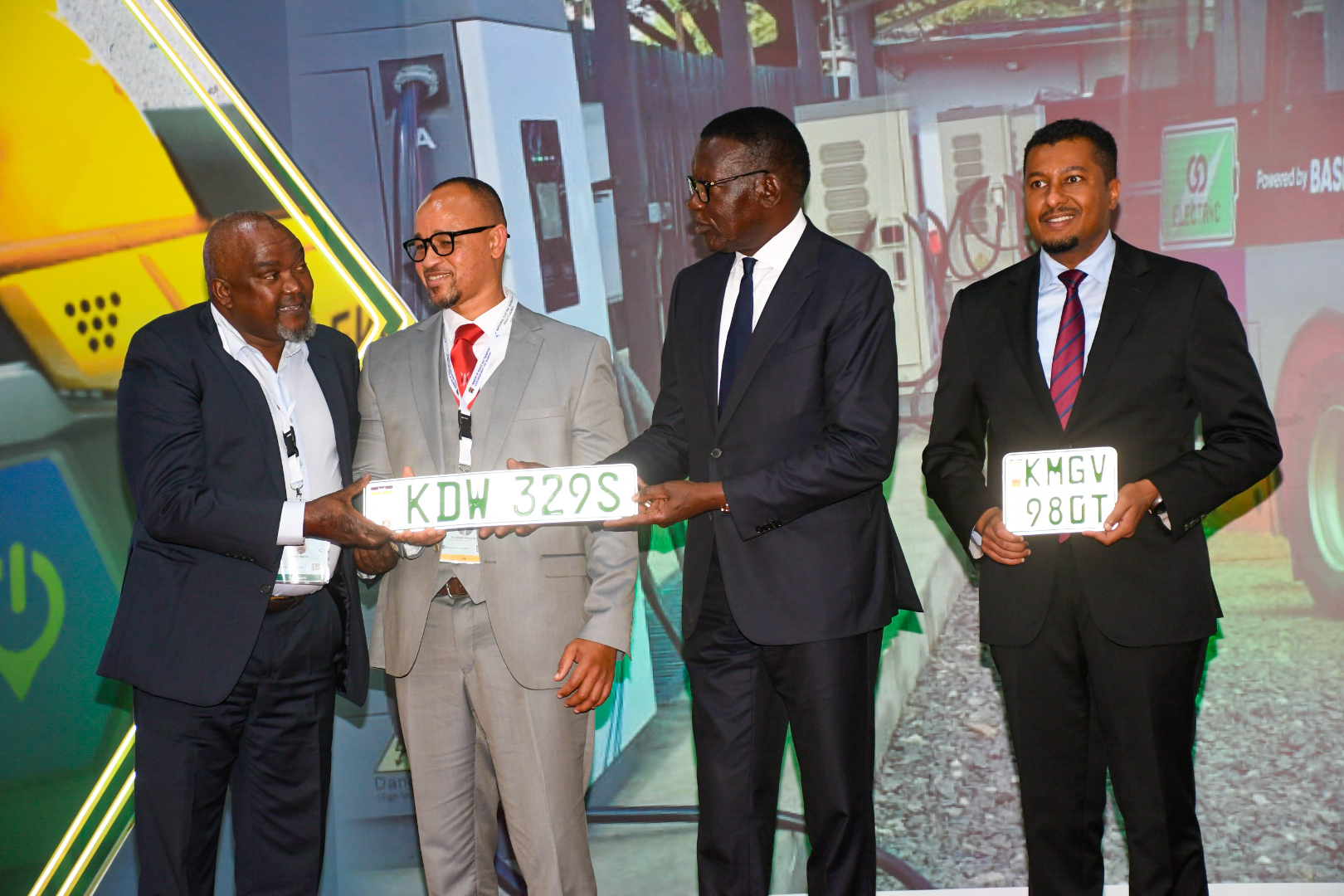
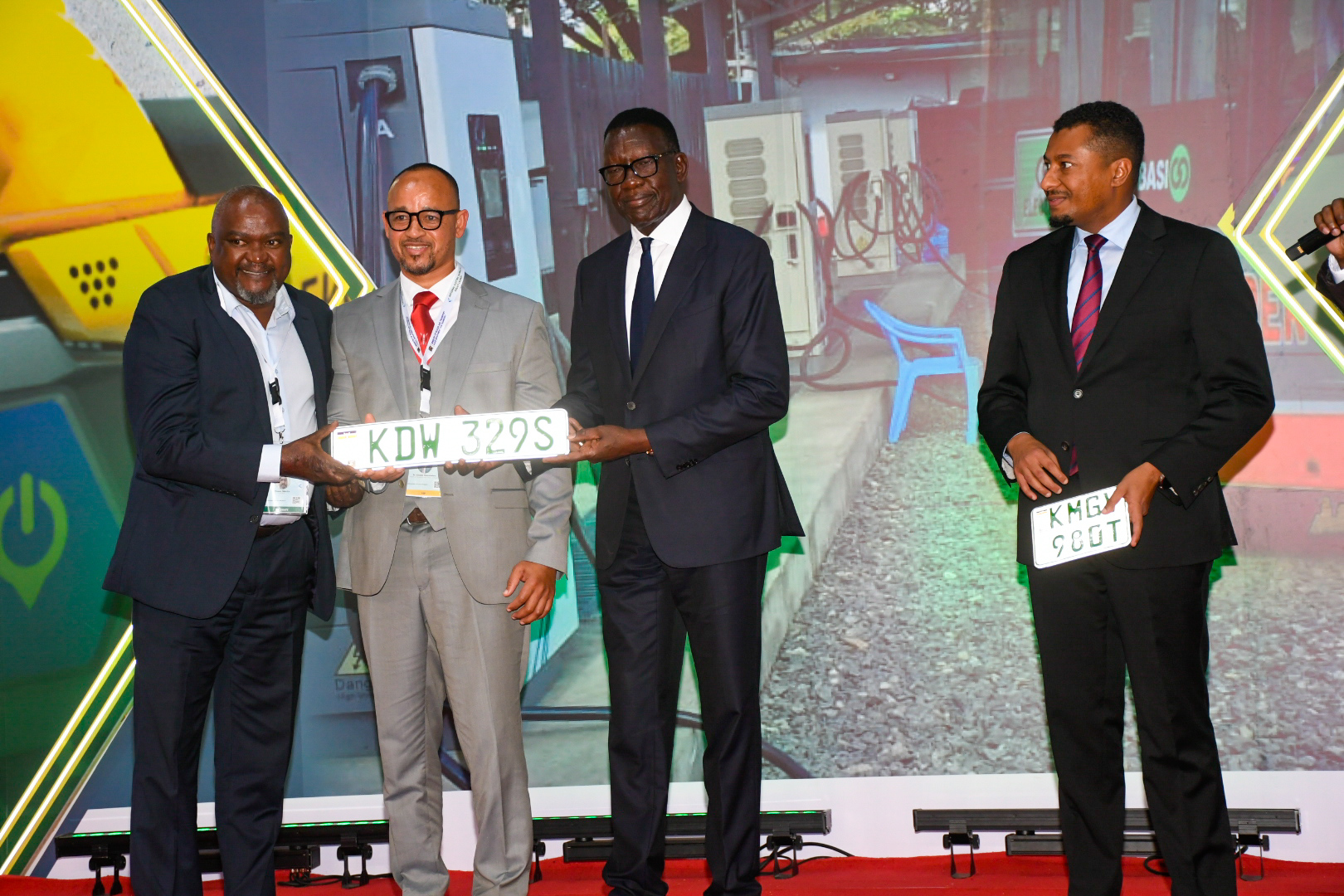
During the event, the Cabinet Secretary also launched green reflective number plates for 100 per cent electric vehicles registered in Kenya. Representing H.E. the President at the event, Mr. Chirchir emphasised that the e-Mobility Policy was developed through strong public-private sector collaboration, with the private sector chairing the Taskforce. CS Chirchir added that electric mobility is no longer optional, but a strategic necessity for Kenya’s economic resilience and environmental sustainability.
“As at 2025, Kenya had registered cumulatively 39,324 EVs, up from 1,378 EVs in 2022, representing over 2700% increase in just three years. The bodaboda vehicle category - popular and widely used for the last mile connectivity registered the highest percentage increment,” said the CS, adding that the increase was due to the various affordable EV products being introduced in the country by financial institutions including vehicle asset financing targeting the e-Mobility industry.
The Cabinet Secretary added that this growth reflects strong market confidence and increasing public acceptance of electric mobility. To support implementation, the Government is developing a National Electric Mobility Strategy to ensure coordinated, effective and structured execution of the Policy. CS Chirchir further highlighted incentives introduced through the Finance Bill 2025, including:
- Zero-rating of VAT on electric buses, electric bicycles, electric motorcycles and lithium-ion batteries; and
- Reduction of excise duty to zero per cent on electric bicycles, electric motorcycles and lithium-ion batteries.
The Minister disclosed that the National Electric Mobility Policy covers all modes of transport and provides a clear and enabling framework for the adoption, regulation and expansion of electric mobility in Kenya. The Policy promotes investment in the e-Mobility ecosystem, strengthens institutional coordination, fosters innovation, and encourages meaningful private-sector participation.
“Through this Policy, Kenya aims to decarbonise and modernise the transport sector, reduce greenhouse gas emissions, improve air quality, enhance energy security, and meet its climate commitments, while unlocking the potential of electric mobility to create green jobs and drive inclusive economic growth under the Bottom-Up Economic Transformation Agenda,” said the CS.
He added that leveraging Kenya’s abundant renewable energy resources would reduce over-reliance on imported fossil fuels while creating new value chains in manufacturing, assembly, services and skills development.
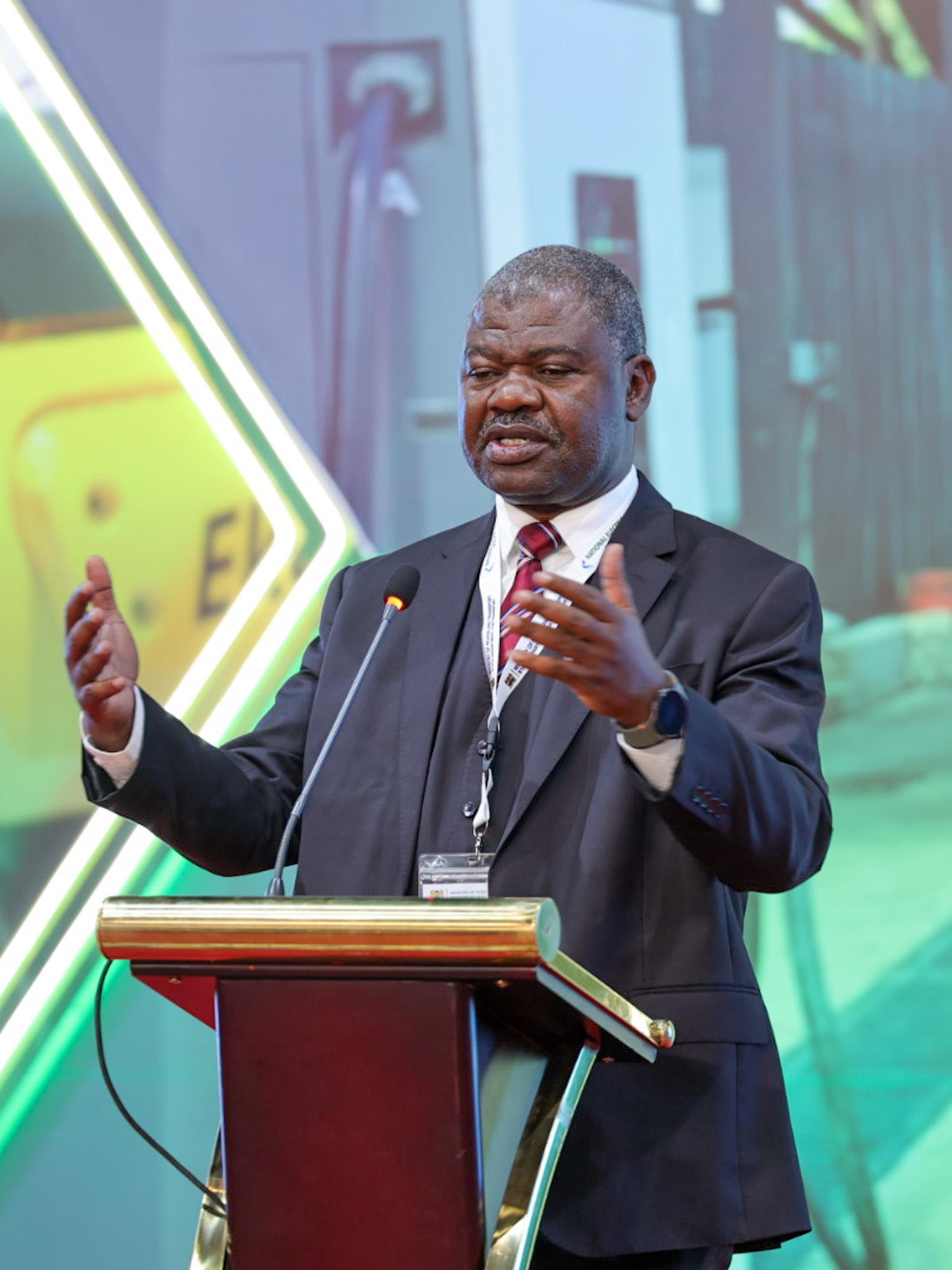
Speaking at the event, the Principal Secretary, State Department for Industrialisation, Dr. Juma Mukhwana, said demand for electric vehicles in Kenya currently outstrips supply. Dr. Mukhwana said that EV technology has matured and emphasised the need for increased short-term financing to enable companies to expand local assembly plants as Kenya prepares for long-term domestic manufacturing of EVs and related components. Dr. Mukhwana also observed that EV charging infrastructure remains concentrated in Nairobi and should be expanded to other towns across the country. The PS further observed that EV charging infrastructure was concentrated around Nairobi and should now be rolled out to other towns across the country.
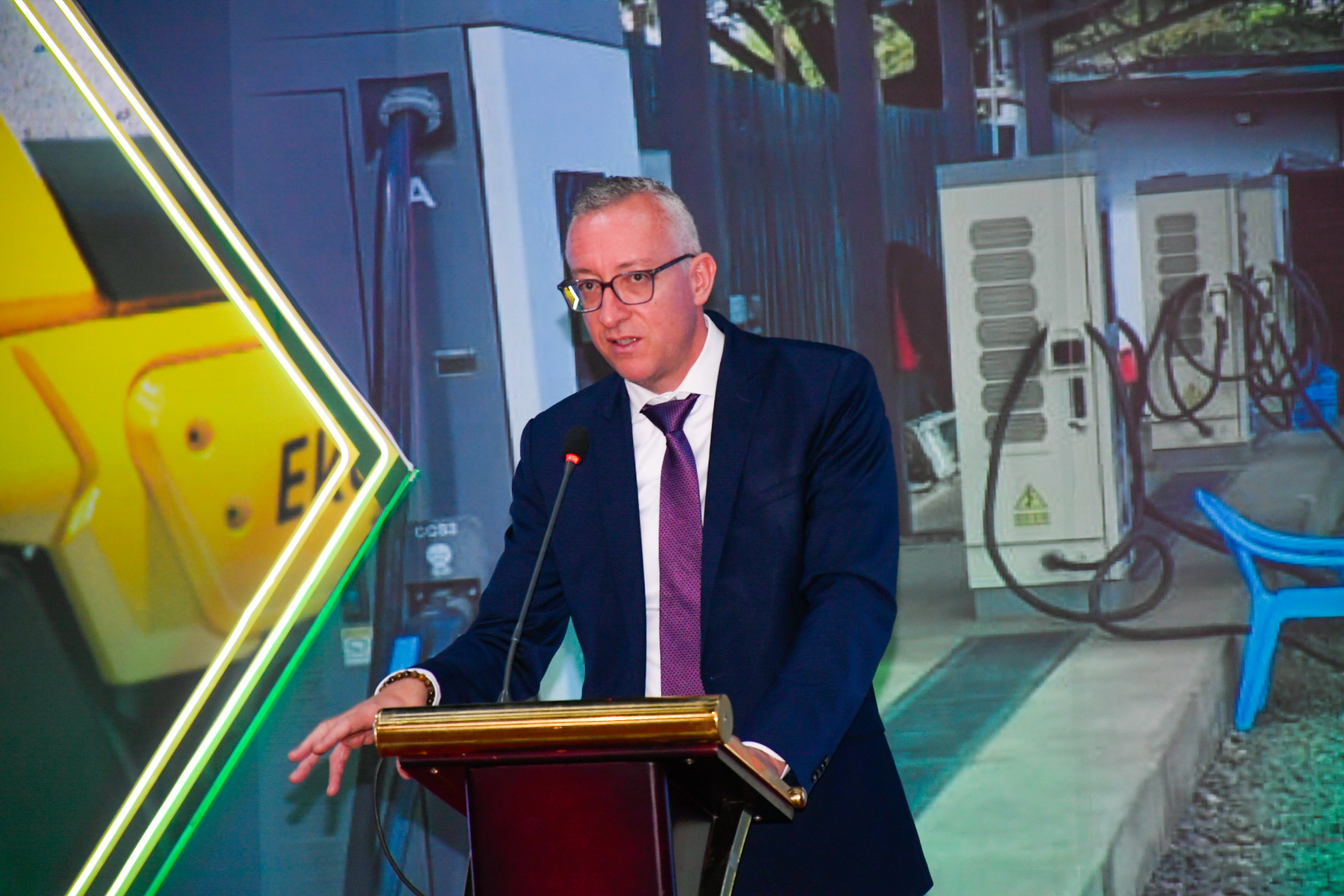
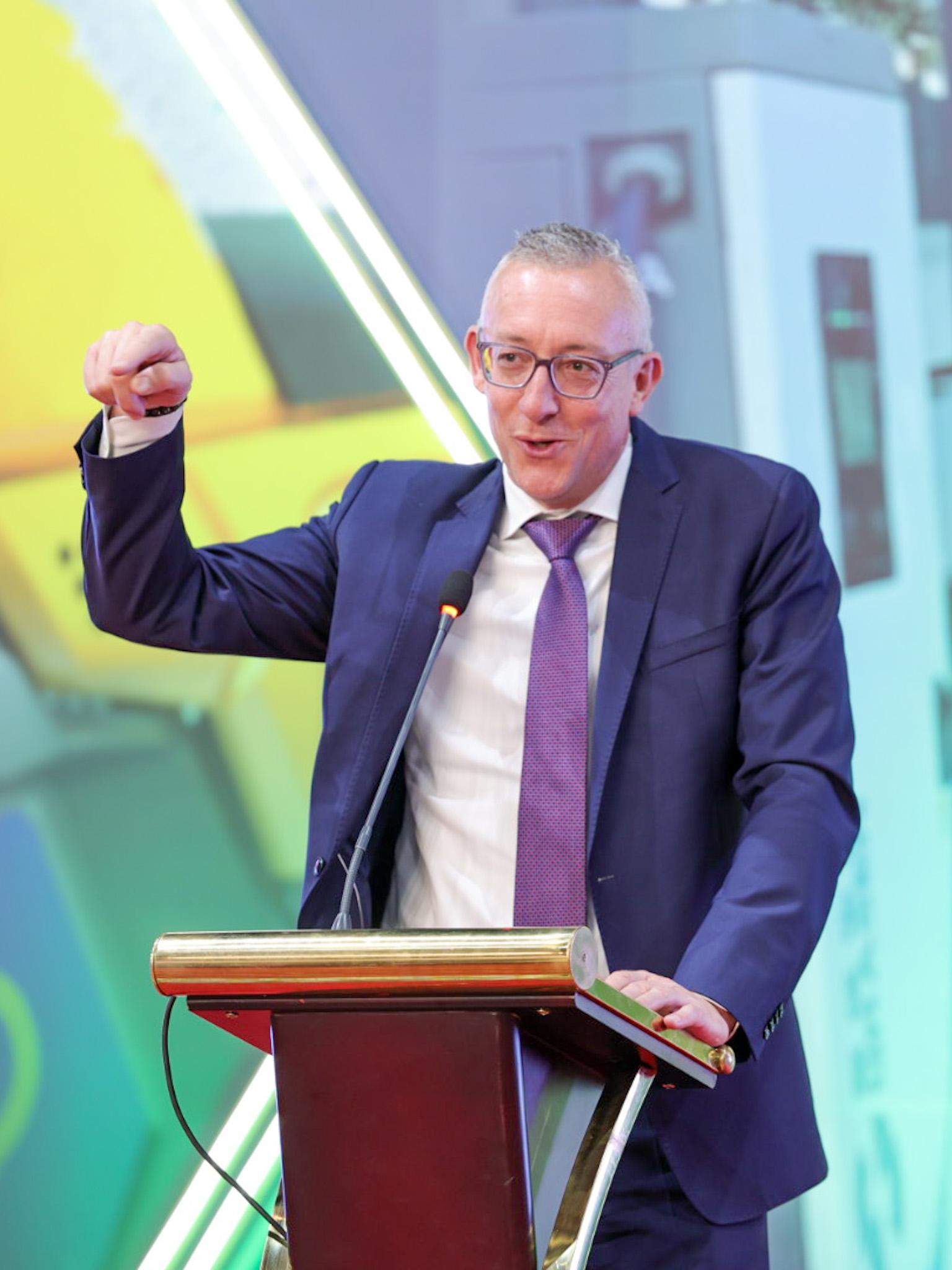
In his remarks, the German Ambassador to Kenya, H.E. Sebastian Groth, said that electric mobility is central to sustainable development and the global clean-energy transition. Amb. Groth said that Kenya has the potential to become a regional leader in e-Mobility and clean energy, and reaffirmed Germany’s commitment to supporting Kenya in implementing the National e-Mobility Policy.
Similarly, the EU Deputy Head of Mission to Kenya, Ambassador Ondrej Šimek, described Kenya as a regional champion in renewable energy, with over 90 per cent of electricity generated from renewable sources. Amb. Simek said the European Union remains committed to supporting sustainable development, green investment and job creation in clean energy and transportation sectors.
The Ministry developed the policy with technical and financial support from various development partners, namely: the European Union; the Federal Republic of Germany through GIZ; the United Kingdom through the Foreign, Commonwealth and Development Office; the International Finance Corporation; and the University of California, Davis, USA.
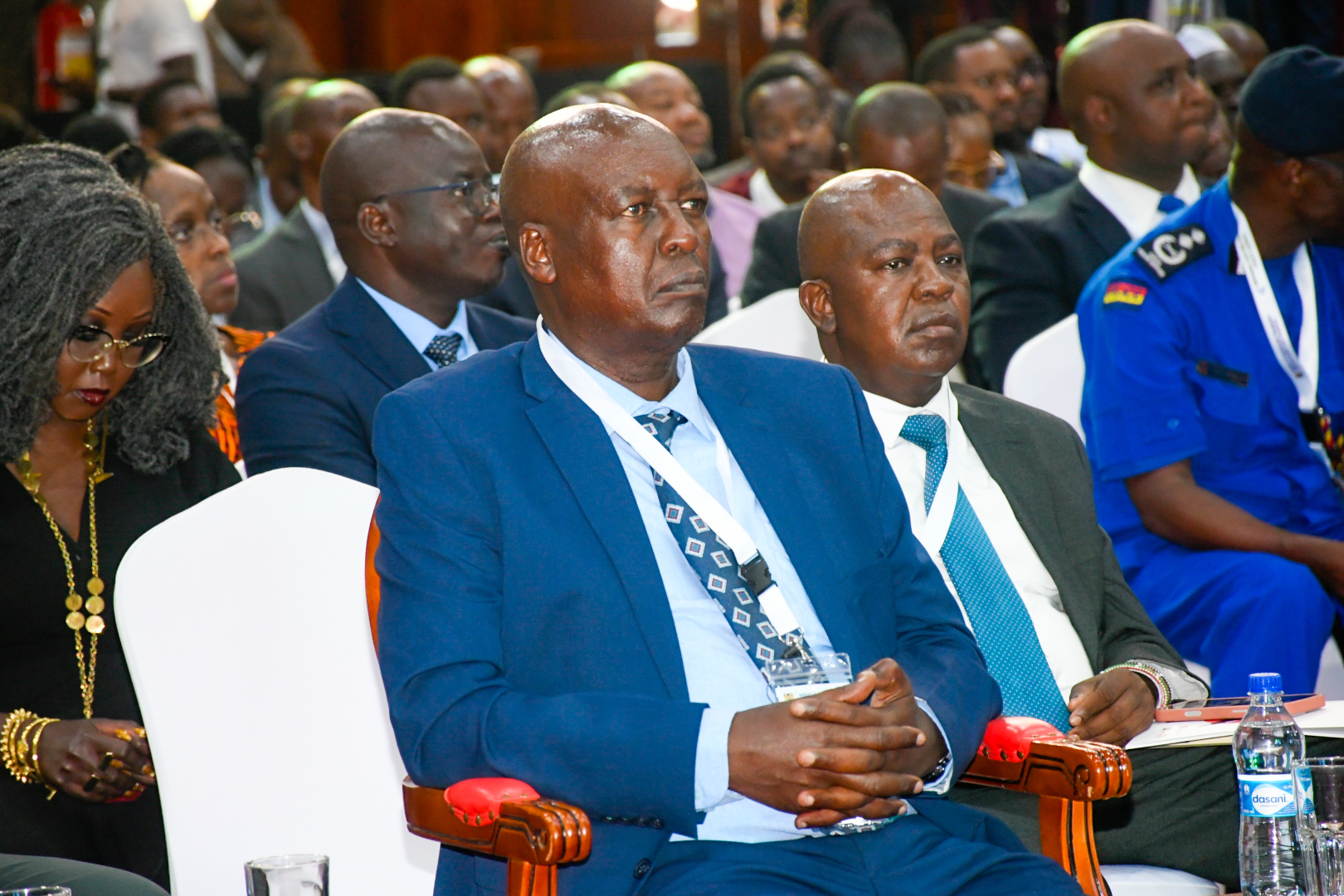
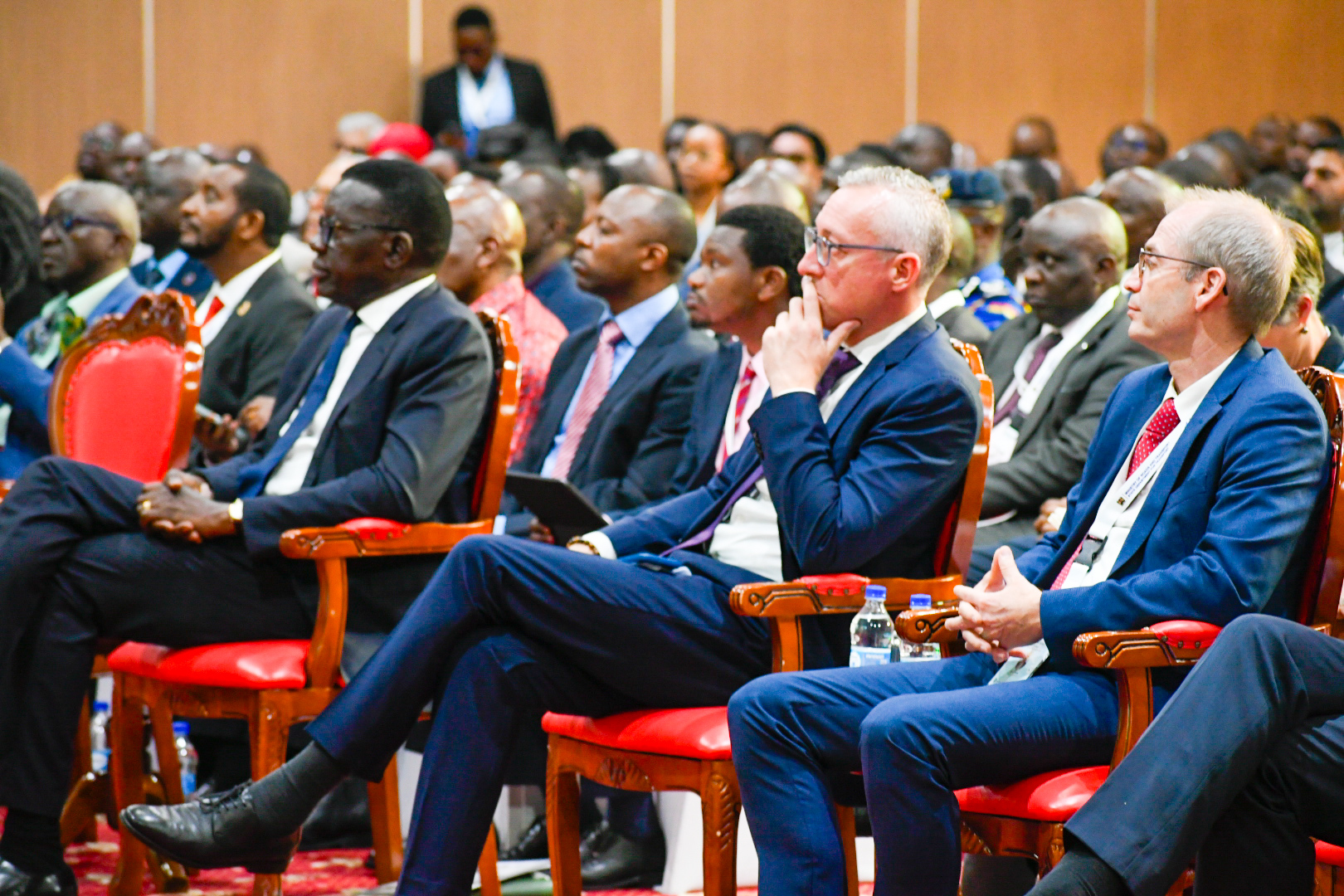
Also present at the event were the Principal Secretary for Transport, Mr. Mohamed Daghar; Principal Secretary for Roads, Eng. Joseph Mbugua; Members of Parliament Hon. Tom Kajwang’ and Hon. Eng. John Chege Kiragu; the Chairperson of the defunct Taskforce, Mr. Daniel Ngumi; and the President of the Electric Mobility Association of Kenya, Mr. Hezbon Mose, among other distinguished dignitaries.