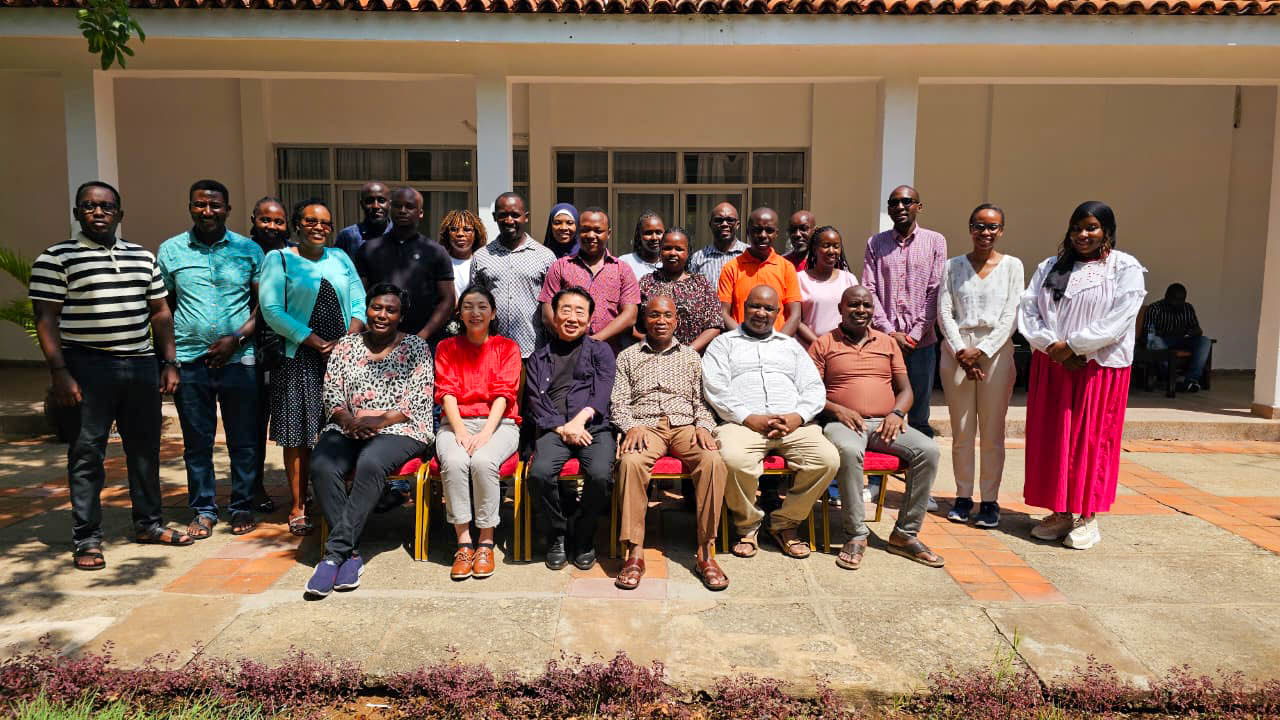
Training Workshop for the Integrated Automated Fare Collection System (IAFCS) Committee
The State Department for Transport is spearheading the development of an Integrated Automated Fare Collection System (IAFCS) under the proposed Kenya Urban Mobility Improvement Project (KUMIP). The initiative, being spearheaded by an Inter-Agency Committee appointed in April 2024, has recorded good progress in the preparatory activities towards the rollout of the system.
The IAFCS is expected to transform urban mobility by introducing a centralized digital platform for fare collection across all modes of public transport, including commuter rail, matatus, and the Bus Rapid Transit (BRT). Once implemented, the system will enhance commuter mobility, improve safety, ensure regulatory compliance, and promote the financial sustainability of transport operations. It will also foster investor confidence while enriching the overall travel experience for passengers.
Further, the proposed system is anticipated to bring long-term benefits to both commuters and public transport operators. These include seamless intermodal connections, more efficient and sustainable transport services, reduced operational costs, greater accountability in fare collection, and reliable data for informed planning and investment decisions.
To advance the work, the technical committee is holding a training workshop that is designed to build a comprehensive understanding of modern Automated Fare Collection Systems (AFCS) and their role in developing efficient, interoperable, and customer‑focused public transportation networks. The workshop aims to take participants through the technical knowledge, business insights, and operational frameworks needed to plan, implement, and manage advanced fare collection systems.
The workshop is being facilitated by Dr. Park, Youngwook, Ph.D. who is a consultant engaged by the World Bank who are the development partners in this project.
Key Objectives of the training workshop include to:
- Introduce the fundamentals of fare structure and collection systems, including pricing models, ticketing methods, and emerging technologies;
- Explain the full AFCS business cycle, from issuance and sales to transaction processing, settlement, and customer service;
- Strengthen understanding of RF (Radio frequency) and smart card technologies that underpin modern AFC operations;
- Develop awareness of security threats and protection methodologies essential for safeguarding AFC infrastructure;
- Present integrated AFCS architecture and interoperability concepts, including business rules, system components, and clearinghouse functions;
- Provide guidance on national standards for IAFCS, covering business rules, technical specifications, and compliance requirements;
- Clarify organizational and human resource needs for establishing and operating a national AFCS framework;
- Share real‑world case studies to illustrate best practices and lessons learned from major AFC implementations; and;
The development of the IAFCS marks a significant step in modernizing Kenya’s public transport sector and advancing the country’s journey towards a cashless, interoperable, safer, more reliable, and commuter-friendly mobility system.