PS Daghar Opens HoAGDP Annual Monitoring and Evaluation Workshop
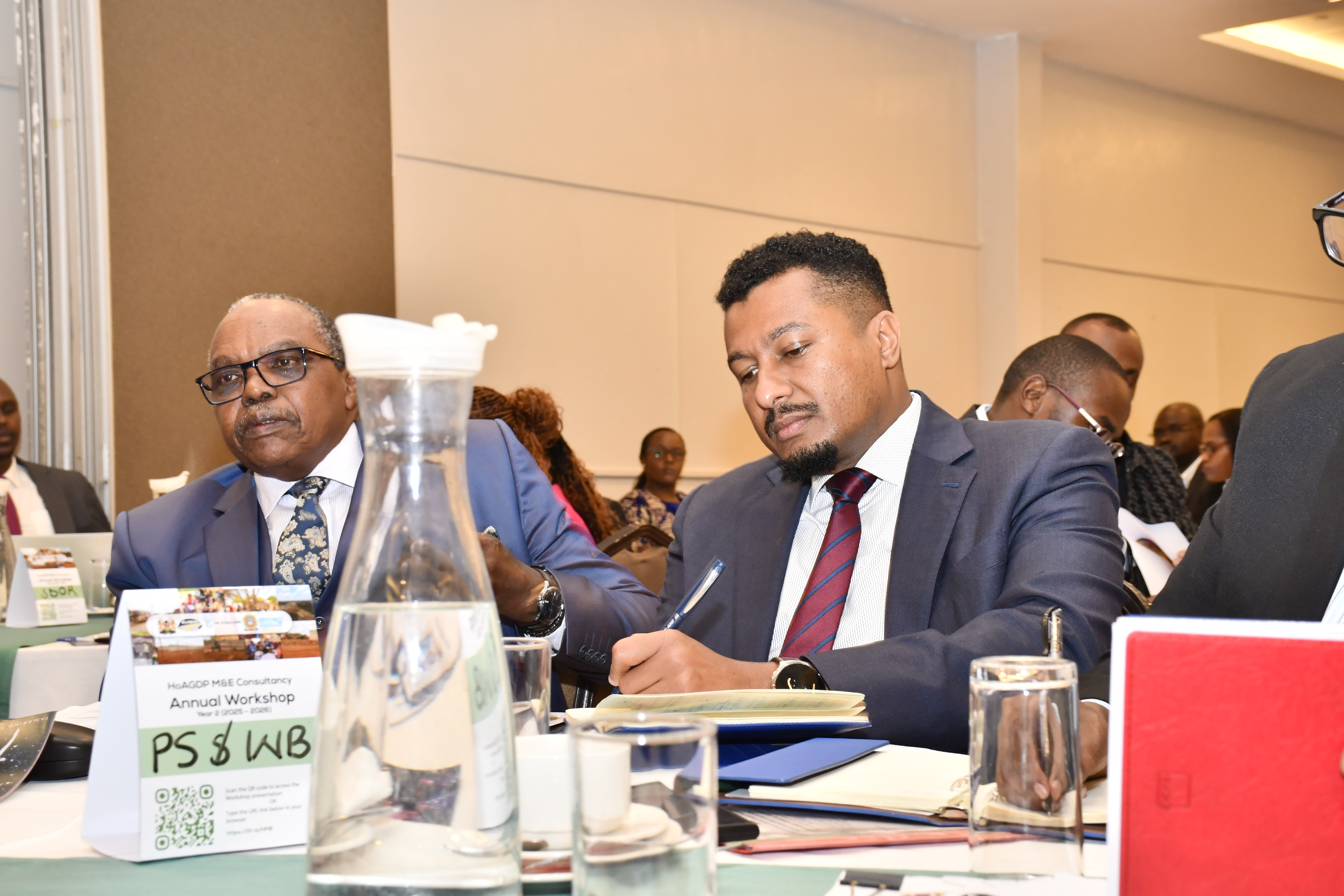
Principal Secretary, State Department for Transport, Mr. Mohamed Daghar, has officially opened the Second Annual Monitoring and Evaluation (M&E) Report Validation Workshop for the Horn of Africa Gateway Development Project (HoAGDP), calling for candid deliberations and evidence-based recommendations to guide the project’s implementation.
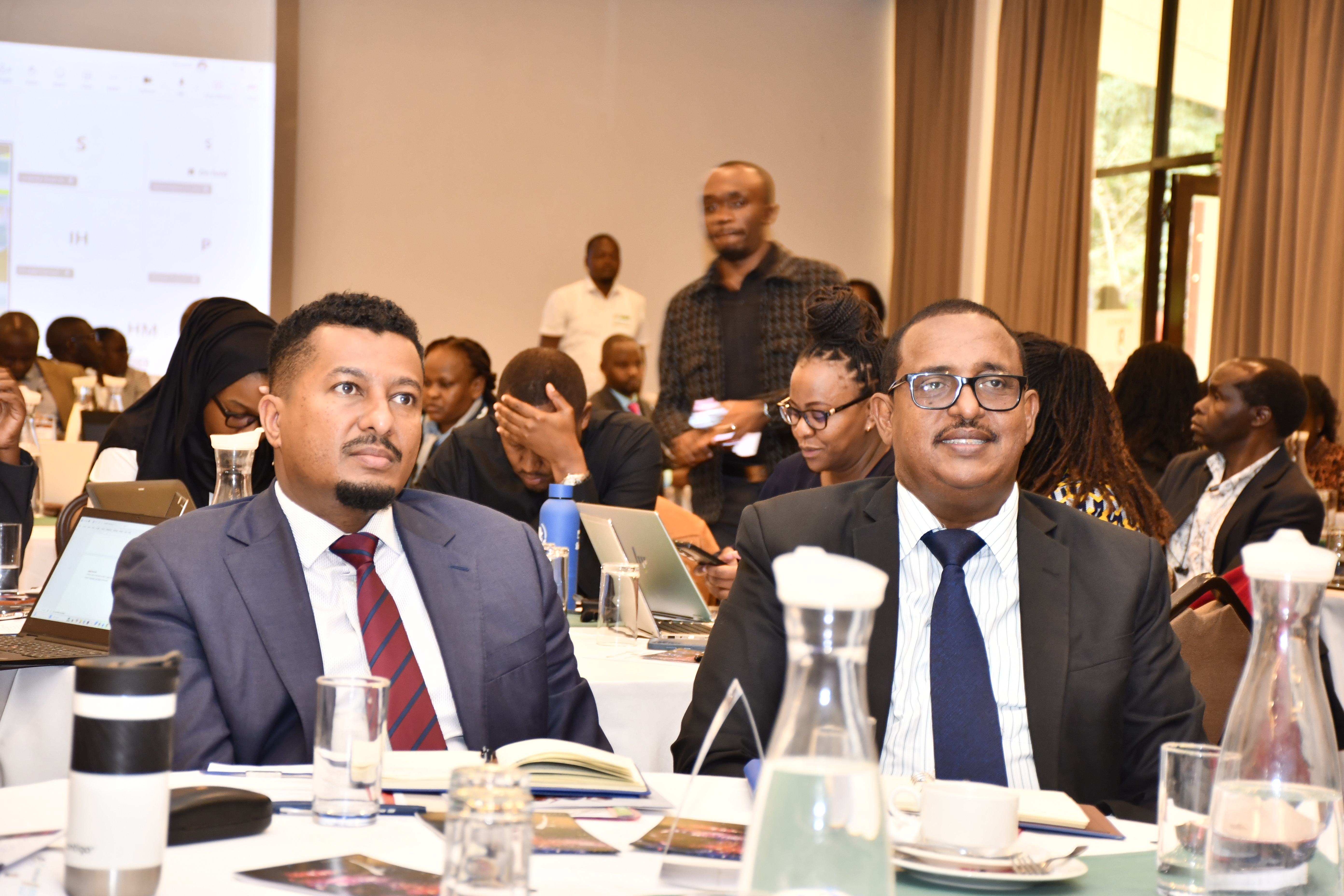
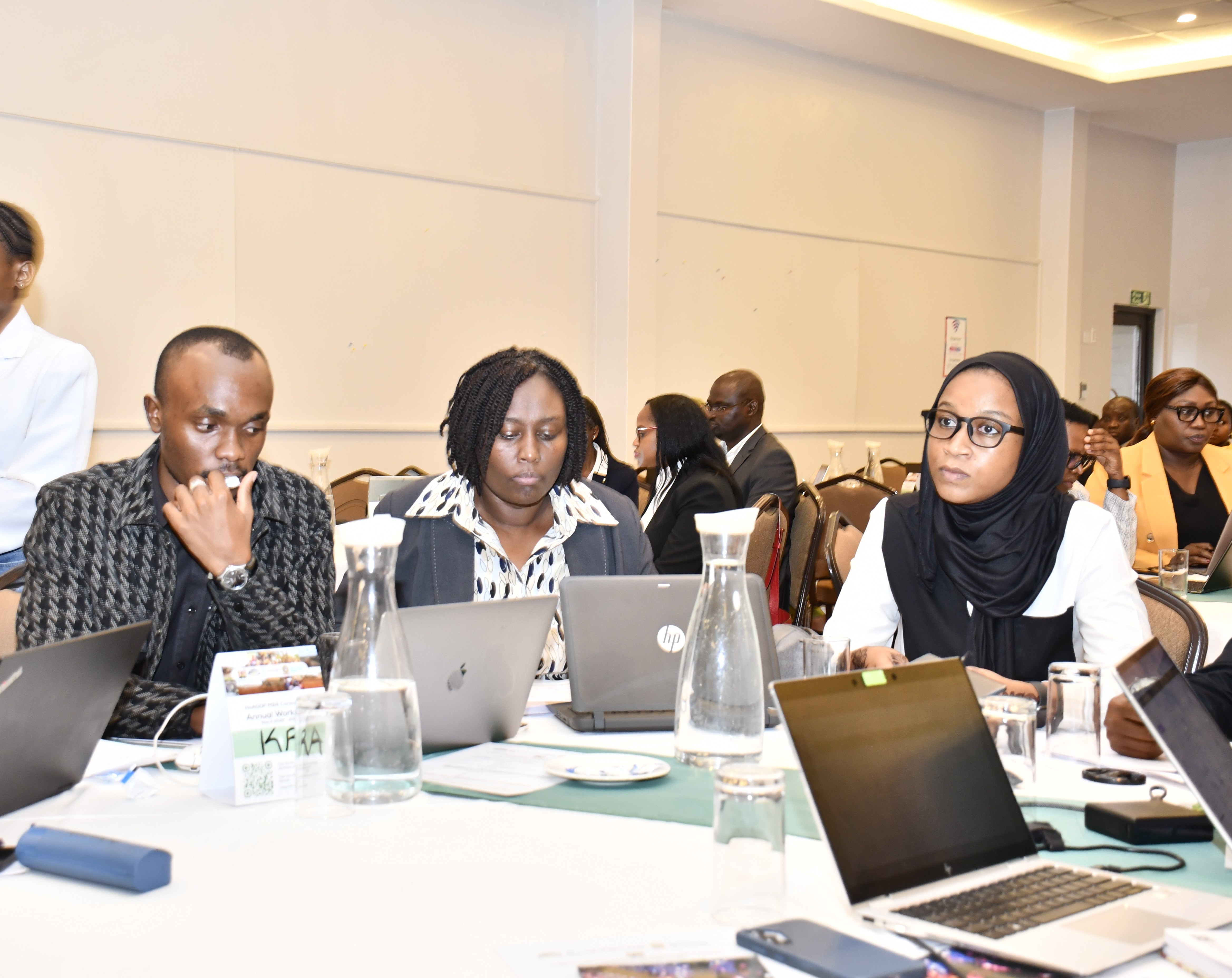
The one-day workshop brings together Project Implementing Agencies, beneficiary institutions, development partners, financiers and other stakeholders to review progress and validate the project’s Annual M&E Report.
In his opening remarks, PS Daghar noted that a validated M&E report provides a shared, evidence-based picture of the project’s progress and enables stakeholders to make informed decisions during the remaining implementation period.
The PS highlighted the transformative role of the HoAGDP in advancing the Government’s Bottom-up Economic Transformation Agenda (BETA), particularly through improved connectivity between communities in Northern and North-Eastern Kenya and markets, essential services, digital platforms and regional trade.
At the centre of the project is the 740-kilometre Isiolo–Mandera regional road corridor, which is being jointly financed by the Government of Kenya and development partners. The project also incorporates digital connectivity, social infrastructure, trade facilitation and institutional capacity building.
PS Daghar noted that the full Isiolo–Mandera corridor is now fully funded, with the World Bank financing 508 kilometres, the African Development Bank financing the 142-kilometre Elwak–Rhamu section, and Arab development banks financing the 90-kilometre Samatar–Wajir section.
He further noted that works are already underway, with more than 50 kilometres of the road already on black top. Once completed, the improved corridor is expected to significantly reduce travel times for both passengers and freight, lowering the cost of doing business and improving access to markets and essential services for communities along the corridor.
Beyond road infrastructure, the project will support the laying of 1,000 kilometres of fibre-optic cable, construction of One-Stop Border Posts with Ethiopia and Somalia, and establishment of trade facilitation centres along the regional road corridor.
The PS also called on implementing agencies to fast-track preparatory activities to ensure the project is completed by the scheduled closing date of June 30, 2030. He emphasized that the project’s success should ultimately be measured not only in kilometres of road or fibre laid, but in the lives transformed, businesses created and improved access to schools, health facilities and other essential services.
The workshop will review the Annual M&E Report, including survey results, the status of project components, financial performance, environmental, safety and social safeguards, before concluding with observations and comments from Project Implementing Agencies.
PS Daghar called on participants to speak candidly about what is working, what requires improvement and what needs to change, noting that their contributions will inform the final report and ongoing project implementation.
Looking ahead, the HoAGDP represents an opportunity to build more than a transport corridor; it is an investment in stronger connectivity, greater economic opportunity and improved access to essential services for communities across Northern and North-Eastern Kenya. As implementation progresses, the focus remains on translating infrastructure and connectivity investments into tangible improvements in the lives of citizens, strengthening regional integration and laying the foundation for shared prosperity for generations to come.